

The biggest jump-scare the cinema world has witnessed in 2025? The return of horror as a leading genre at the British cinemas.
As a style, it has notably outperformed previous years with a 22% rise compared to last year for the UK and Irish box office: £83.7 million in 2025, against £68 million the previous year.
“Last year, no horror film reached £10m at the UK or Irish box office. This year, five films have,” comments a cinema revenue expert.
The top performers of the year – a recent horror title (£11.4m), another hit film (£16.2 million), the latest Conjuring installment (£14.98m) and 28 Years Later (£15.54 million) – have all hung about in the cinemas and in the audience's minds.
Although much of the expert analysis centers on the unique excellence of prominent auteurs, their achievements suggest something evolving between moviegoers and the category.
“I’ve heard people say, ‘Even if you don’t like horror this is a film you need to see,’” states a content buying lead.
“Films like these play with genre and structure to create something completely different, and that speaks to an audience in a different way.”
But beyond creative value, the steady demand of horror movies this year suggests they are giving moviegoers something that’s greatly desired: therapeutic relief.
“Right now, there’s a lot of anger, fear and division that’s being reflected in cinema,” notes a film commentator.
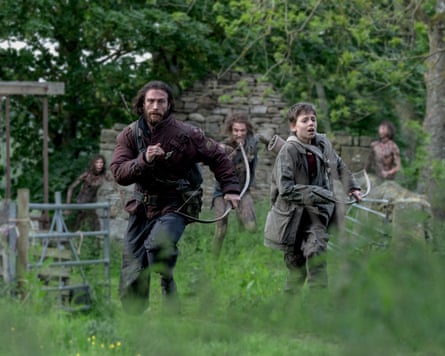
“The genre masterfully exploits common anxieties, magnifying them so that everyday stresses fade beside the cinematic horror,” says a respected writer of vampire and monster cinema.
Against a current events featuring geopolitical strife, enforcement actions, extremist rises, and ecological disasters, supernatural beings and undead creatures connect in new ways with filmg oers.
“Some research suggests vampire film popularity correlates with financial downturns,” comments an star from a popular scary movie.
“This symbolizes the way modern economies can exhaust human spirit.”
From film's inception, societal turmoil has shaped horror.
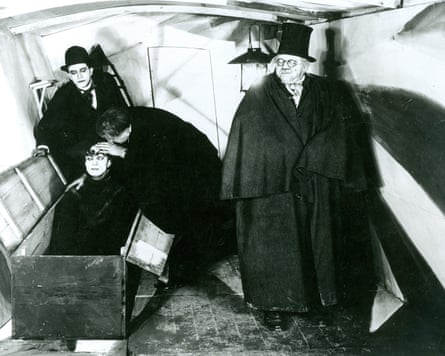
Scholars point to the rise of early cinematic styles after the first world war and the unstable environment of the post-war Germany, with features such as classic silent horror and the iconic vampire tale.
This was followed by the economic crisis of the 30s and classic monster movies.
“The classic example is Dracula: you get this invasion of Britain by someone from eastern Europe who then causes this infection that gets spread in all sorts of ways and threatens the Anglo-Saxon heroes,” explains a commentator.
“Therefore, it embodies concerns related to foreign influx.”
The boogeyman of migration inspired the newly launched supernatural tale The Severed Sun.
Its writer-director clarifies: “I aimed to delve into populist rhetoric. Specifically, calls to restore a mythical past that favored a privileged few.”
“Also, the concept of familiar individuals revealing surprising prejudices in casual settings.”
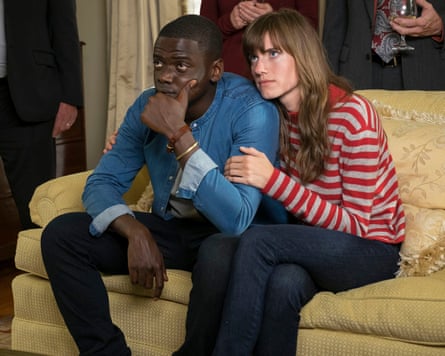
Maybe, the present time of celebrated, politically engaged fright cinema started with a clever critique debuted a year after a contentious political era.
It introduced a new wave of innovative filmmakers, including several notable names.
“Those years were remarkably vibrant,” recalls a filmmaker whose project about a violent prenatal entity was one of the era’s tentpole movies.
“I believe it initiated a trend toward eccentric, high-concept horror that aimed for artistic recognition.”
The director, currently developing another scary story, continues: “In the last ten years, public taste has evolved to welcome bolder horror concepts.”
At the same time, there has been a revival of the underrated horror works.
In recent months, a nicke l venue opened in a major city, showing obscure movies such as The Greasy Strangler, a classic adaptation and the modern reinterpretation of the expressionist icon.
The renewed interest of this “rough and rowdy” genre is, according to the cinema founder, a direct reaction to the formulaic productions churned out at the theaters.
“It counters the polished content from big producers. The industry has become blander and more foreseeable. Numerous blockbusters share the same traits,” he explains.
“Conversely, [such movies] appear raw. As if they emerged straight from the artist's mind, untouched by studio control.”
Horror films continue to upset the establishment.
“They have this strange ability to seem old fashioned and up to the minute, both at the same time,” observes an authority.
In addition to the revival of the insane researcher motif – with multiple versions of a well-known story upcoming – he forecasts we will see fright features in the near future reacting to our current anxieties: about artificial intelligence control in the years ahead and “monstrous metaphors in power structures”.
In the interim, a biblical fright story The Carpenter’s Son – which narrates the tale of holy family challenges after Jesus’s birth, and includes famous performers as the sacred figures – is scheduled to debut soon, and will certainly create waves through the faith-based groups in the US.</


