

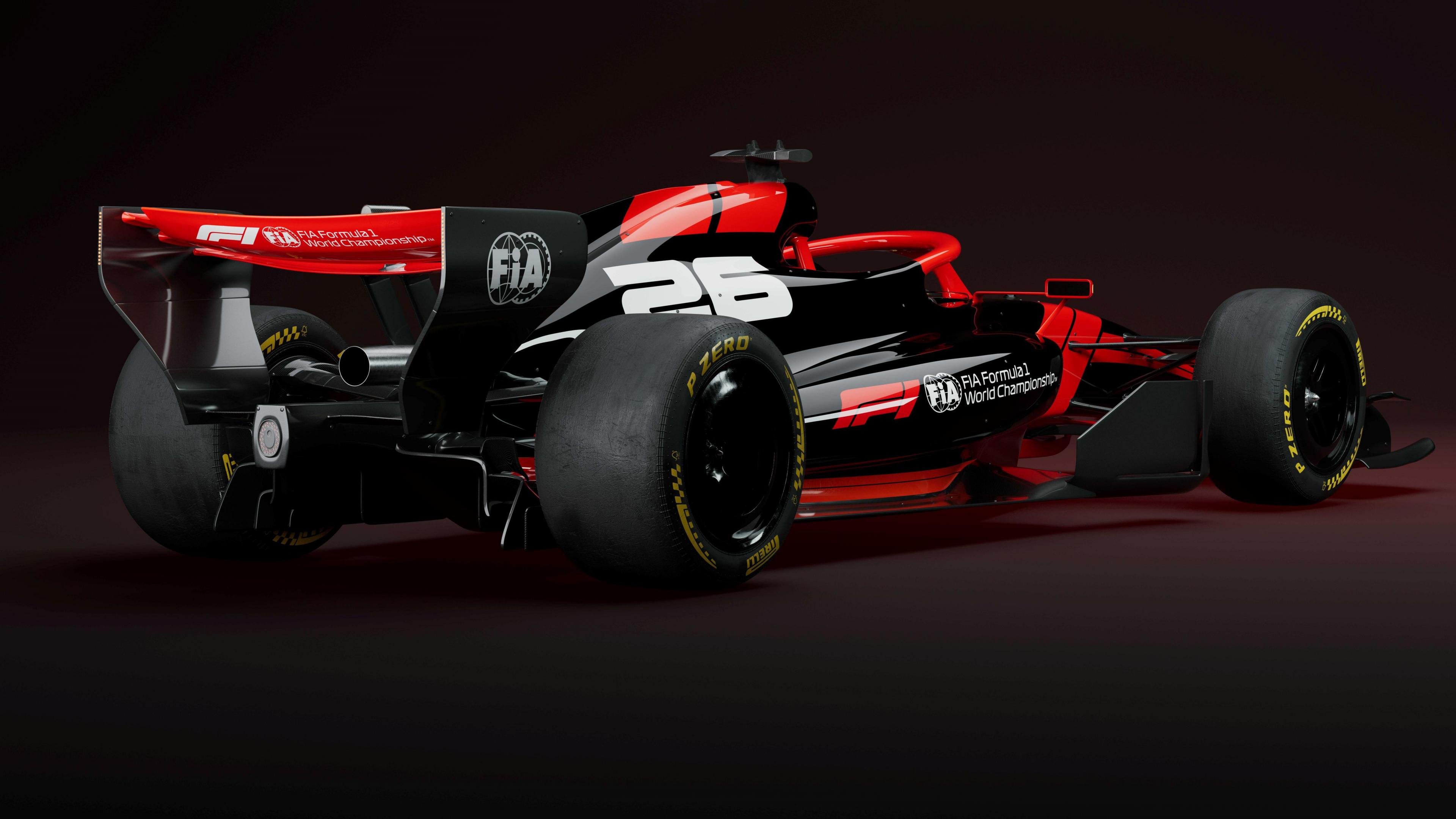
The vehicles for the 2026 season are expected to be lighter, more agile and sustainable than this year.
F1 has revealed the new language that will be used to reference the technical complexities of its new 2026 regulations.
The sport is embarking on what is arguably the biggest technical shift in its illustrious history next season, featuring fresh chassis and power unit regulations and the compulsory introduction of fully sustainable fuels.
The new power units, which maintain the 1.6-litre V6 configuration, boast a significantly increased electrical capacity, necessitating key advancements in the aero packages.
During grand prix events, pilots will strategically manage ERS energy – including during flying laps – to achieve the optimal performance.
Wide-ranging research were carried out with a diverse audience, including new, casual and core fans, to determine which terms would aid comprehension of the key features of the upcoming rules.
The primary aim was to make a range of advanced features of the sport as straightforward as possible for the widest audience.
Consequently, initial designations for certain devices – such as "modes labelled X and Z" for the moveable wings – have been abandoned in favor of descriptive names that directly explain the actual function of the technology.
Exploring the New Tech
According to rule-makers that racers will have greater control to choose strategies regarding energy deployment, harvesting, and saving energy.
The 2026 rules feature a range of settings that will be clearly indicated on broadcast screens to improve the viewers' comprehension of the strategic duel.
- Passing Mode: This replaces the existing Drag Reduction System. It provides a burst of extra electrical energy available when a car is less than a second the vehicle in front to assist with an overtake.
- Extra Push Mode: This is a manual energy deployment from the energy recovery system that can be utilized during attack or defence. It delivers the pilot maximum power at the activation of a control.
Both of these crucial modes will have to be managed carefully, as the available electrical charge is capped.
- Active Aero: Both the car's wings adjust their angles – spreading on the straights for reduced drag and increased velocity, and sealing in the bends for optimal cornering performance.
- Energy Harvesting: The system can replenish their battery with energy harvested under braking, or during partial power application at the end of straights or in certain corners where only limited engine output is applied.
Car Design Evolution
The 2026 cars will be reduced in size and weight than this year, with a car length reduced by 200mm to 3,400mm, width cut by 100mm – down to 1,900mm – and the car weight reduced by 30kg.
Total aerodynamic grip is projected to decrease by approximately a significant margin, although constructors will inevitably claw this back as they refine their designs.
Drag has been slashed by 40%. The vehicles will employ active aerodynamics – both wings will move on the straights to improve speed and enhance velocity and click back into place for maximum cornering performance.
Wheels will continue to use 18-inch wheel rims, but the rubber compounds will be narrower, by 25mm at the front and 30mm at the rear.
What's Changing in the Engines?
The revised hybrid units will have an approximate 50-50 split in energy output by the internal combustion engine and the ERS, a rise from about 20% battery contribution under present rules.
The hybrid system is streamlined through the deletion of the MGU-H, the complicated and costly device that generated electricity from the exhaust turbo.
Cars will be required to run on 100% sustainable fuel, created from plant-based materials or lab-created processes.


